The Forensic Medical Service and Fundación Amparo y Justicia organized a virtual seminar
bringing together forensic experts, prosecutors, and justice system professionals from Chile and other countries,
aimed at raising standards in the investigation of the most
complex cases involving children and adolescents.
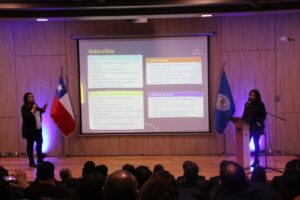
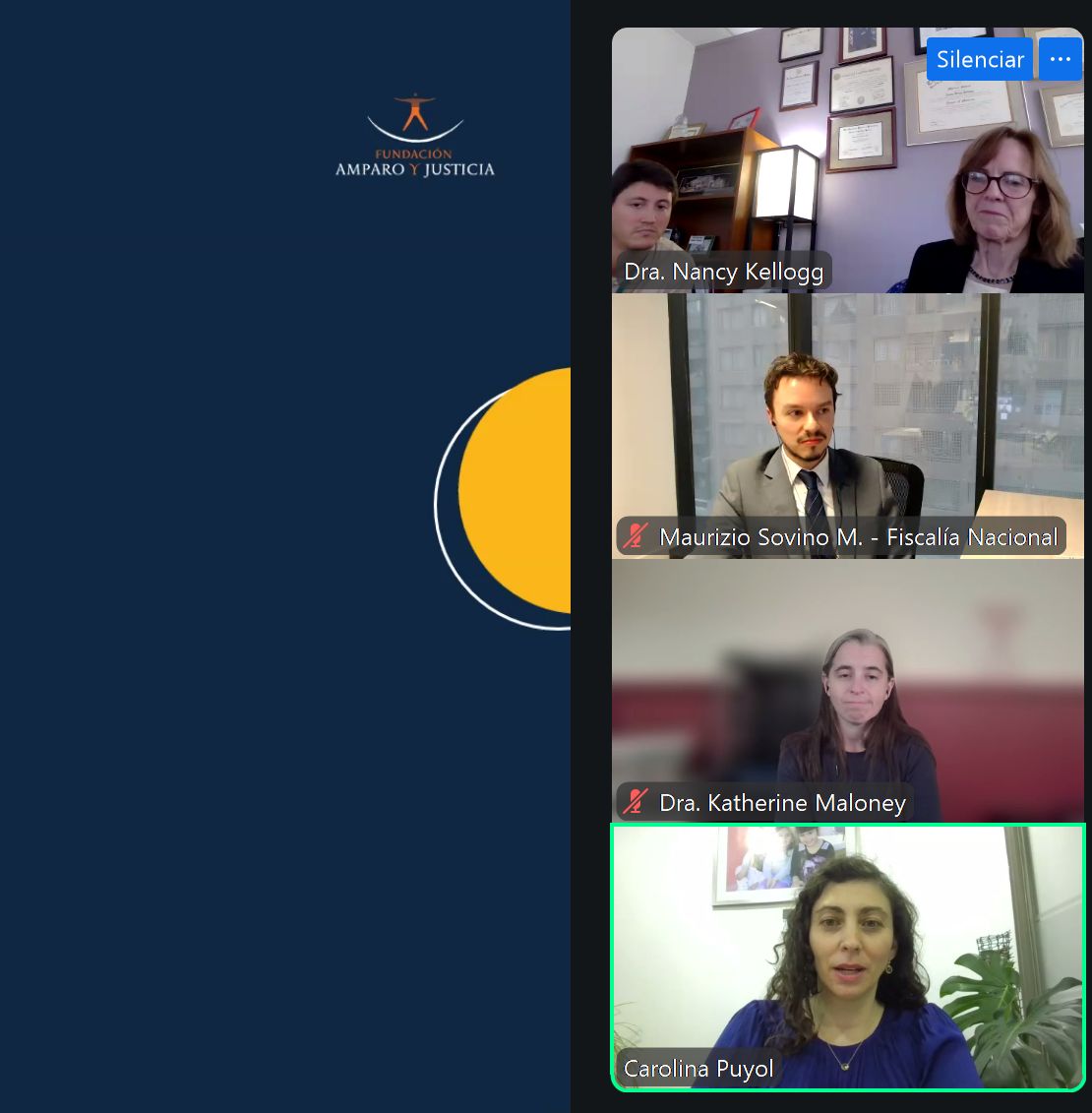
More than 500 people participated in the virtual seminar “Forensic Challenges in Medical Examination of Children and Adolescents: Sexual Offenses and Homicides,” organized by the Dr. Carlos Ybar Institute of the Forensic Medical Service and Fundación Amparo y Justicia. The event provided an opportunity to update knowledge on pediatric autopsies and medico-legal evaluation of these types of crimes.
The seminar featured Nancy D. Kellogg, a pediatrician and world-leading reference in pediatric forensic evaluation, and Katherine Maloney, a forensic pathologist specializing in child homicides and sudden deaths in minors. The specialists addressed forensic sexology and pediatric thanatology, sharing case studies, methodologies, and best practices.
For María Elena Santibáñez, a board member of Fundación Amparo y Justicia, these types of initiatives respond to a need identified through the intersectoral work the Foundation carries out. “All of us who work with child and adolescent victims of serious crimes have a responsibility to engage in ongoing training. Continuous education is not optional — it is a prerequisite for doing our jobs well,” she said.
Santibáñez explained that since 2024 the Foundation has coordinated the Intersectoral Group for the Prevention and Investigation of Homicides of Children and Adolescents, which brings together eleven public institutions, and where specialized training emerged as an urgent unmet need.
The seminar also included a discussion panel led by Maurizio Sovino, Director of the Specialized Unit on Sexual Crimes at the National Prosecutor’s Office, who highlighted the collaborative dimension required by the most complex investigations. “The final outcome will depend on the evidence, but also on the comprehensive analysis of all actors involved,” Sovino stated, drawing particular attention to cases in which children and adolescents die without any visible injuries being found.